Speakers
Plenary Speakers
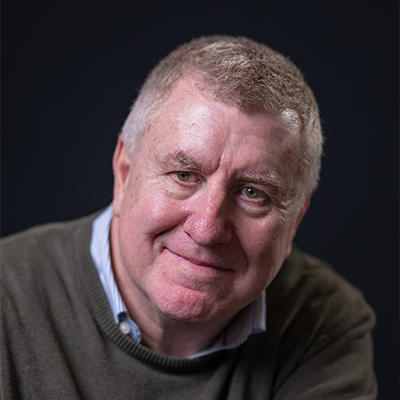
Gordon Brown
University of Exeter
FEBS Plenary Lecture
Gordon Brown completed a Ph.D at the University of Cape Town and following Wellcome Trust Fellowships at the University of Oxford and then at the University of Cape Town, he moved in 2009 to the University of Aberdeen as a Professor of Immunology. In 2019 he relocated to the University of Exeter, where he is Director of the MRC Centre for Medical Mycology and Director of the CMM Africa Unit, based at the University of Cape Town. His primary research interests are C-type lectin receptors and their role in homeostasis and immunity, with a particular focus on antifungal immunity. He is a Fellow of the Royal Society, American Academy of Microbiology, Royal Society of South Africa, Academy of Medical Sciences and Royal Society of Edinburgh.
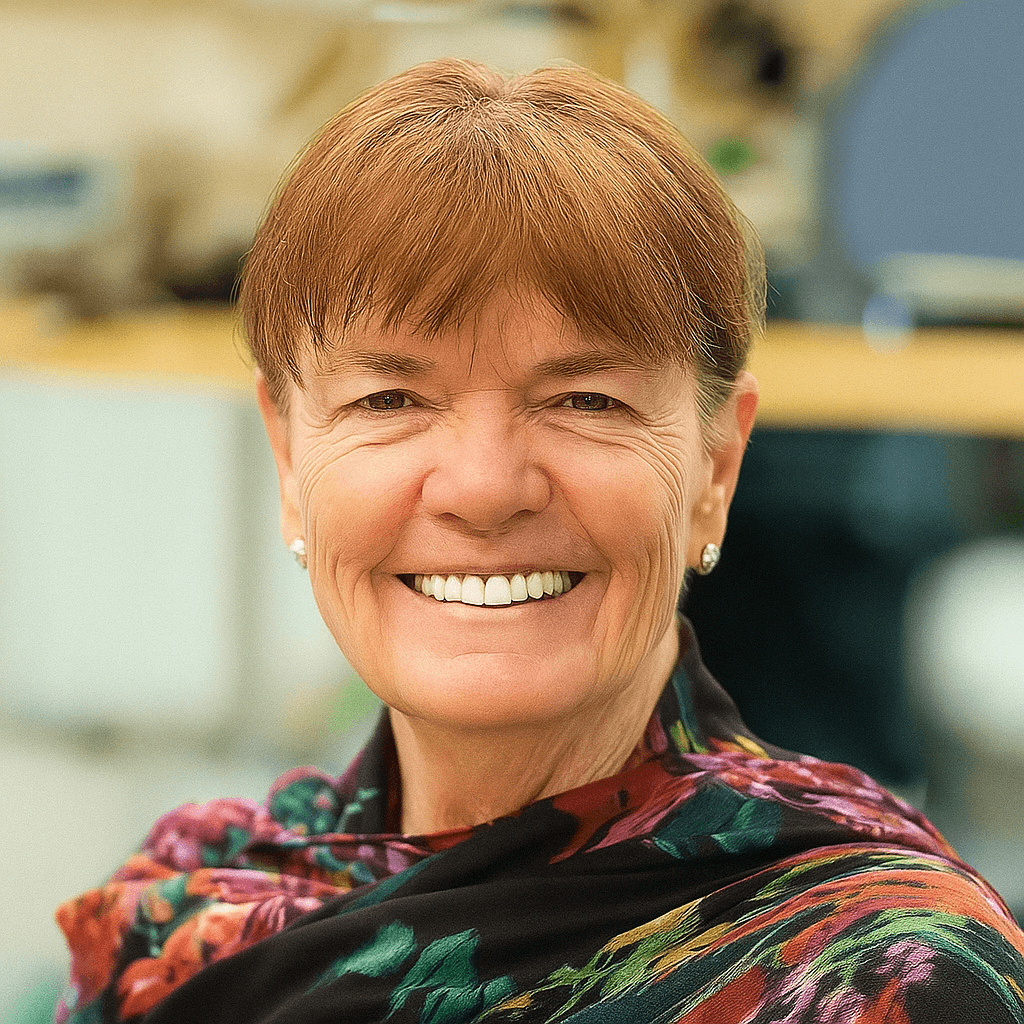
Bridget Carragher
Founding Technical Director, Chan Zuckerberg Imaging Institute
Bridget Carragher is Founding Technical Director of the Chan Zuckerberg Imaging Institute, leading efforts to develop cutting-edge imaging technologies to resolve cellular molecular architecture at near-atomic resolution using cryo-electron tomography. She co-directed major U.S. cryo-EM resources, including NCCAT, NCITU, NRAMM, and SMLC, and co-founded NanoImaging Services. Her work has advanced automated cryo-EM, training, and access, driving innovation at the interface of structural biology, technology development, and biomedical research.
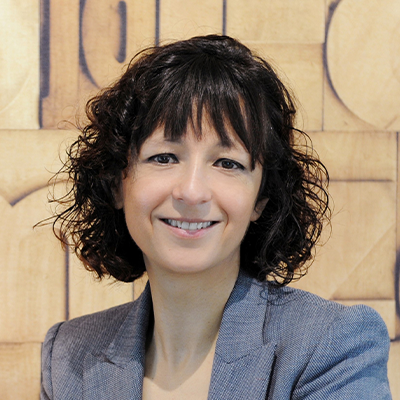
Emmanuelle Charpentier
Max Planck Unit for the Science of Pathogens
IUBMB Jubilee Award Lecture
Emmanuelle Charpentier is a French microbiologist, geneticist and biochemist. She is the founder, scientific and managing director of the Max Planck Unit for the Science of Pathogens in Berlin. She co-founded CRISPR Therapeutics and ERS Genomics with Rodger Novak and Shaun Foy. She has received numerous prestigious international awards and honours, including the Nobel Prize in Chemistry in 2020, and is an elected member of many national and international scientific academies. More information about Emmanuelle is available at: https://www.emmanuelle-charpentier.org/
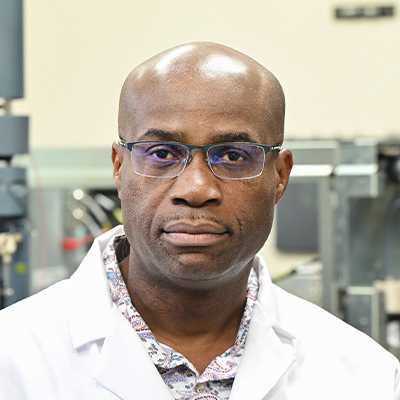
Kelly Chibale
University of Cape Town
Kelly Chibale is Professor of Organic Chemistry at the University of Cape Town and a leading researcher in infectious disease drug discovery. His work focuses on developing novel therapeutics and innovative tools to improve treatment outcomes, particularly for people of African descent. As Founding Director of the H3D Centre and SAMRC Drug Discovery & Development Unit, he has advanced translational research bridging chemistry, biology, and medicine.
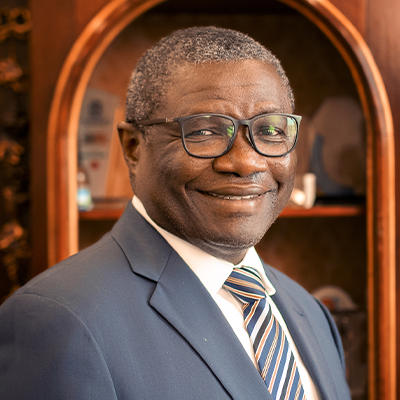
Christian Happi
Institute of Genomics and Global Health at Redeemer’s University
FASBMB Plenary Lecture
Christian Happi is a Distinguished Professor of Molecular Biology and Genomics and Director of the Institute of Genomics and Global Health at Redeemer’s University, Nigeria. His research applies genomics to infectious diseases including malaria, Lassa fever, Ebola, monkeypox, yellow fever, HIV, COVID-19, and Marburg virus. As Founder of ACEGID, he advanced pathogen and human genomic sequencing across 42 African countries and trained over 3,000 scientists, shaping Africa’s genomics and global health research landscape.
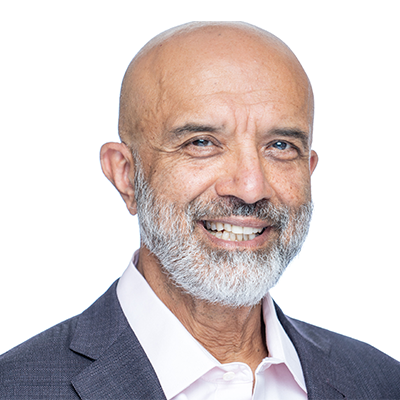
Vishva M. Dixit
Genentech
Dr. Vishva M. Dixit is a pioneering scientist whose work has transformed our understanding of cell death and inflammatory signalling, particularly through discovering the role of caspases in death receptor-induced apoptosis. Born in Kenya, he began his academic career at the University of Michigan, becoming a Professor of Pathology before moving to Genentech in 1997. At Genentech, he serves as Vice President of Research, continuing to drive innovation in biomedical science. His achievements have earned him election to multiple prestigious academies, including the National Academy of Sciences and the Royal Society, as well as major international awards. He also contributes to global scientific leadership through advisory roles with the Howard Hughes Medical Institute and the Gates Foundation.
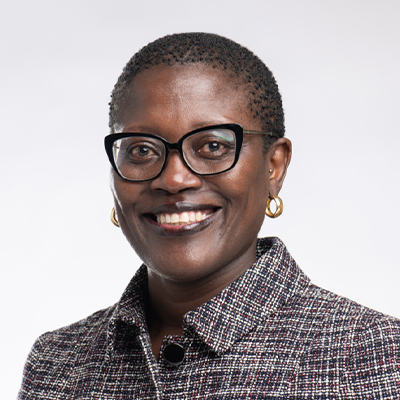
Julie Makani
Muhimbili University of Health and Allied Sciences (MUHAS)
Professor Julie Makani (MD, PhD, FRCP, FTAAS) is a physician scientist in Tanzania at Muhimbili University of Health and Allied Sciences (MUHAS) and SickleInAfrica Clinical Coordinating Centre. She is Visiting Professor at Imperial College London and Science Advisor at the Tanzania High Commission in the UK and ECSA-HC. She received the 2011 Royal Society Africa Award. She is Fellow of the Royal College of Physicians, Tutu Leadership, and Tanzania Academy of Sciences
Frank Slack
Harvard Medical School
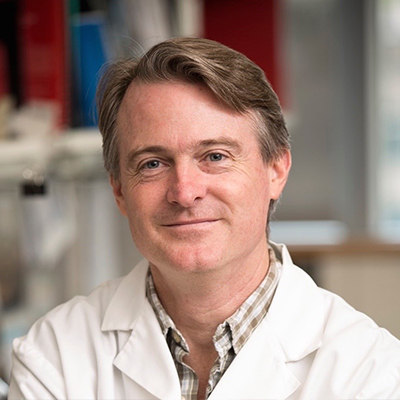
Frank Slack is the Shields Warren Mallinckrodt Professor of Pathology at Harvard Medical School and Director of the HMS Initiative for RNA Medicine. His research focuses on microRNAs in cancer, revealing how they regulate key oncogenes and pioneering their use as therapeutics. He discovered the first role of a microRNA in aging and has founded multiple biotech companies to translate RNA science into novel cancer therapies and clinical applications.
Hyun Kyu Song
Korea University
IUPAB Plenary Lecture
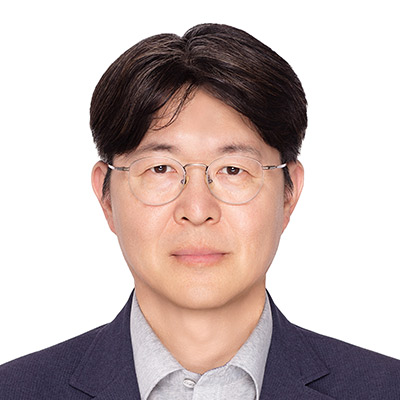
Hyun Kyu Song is a Professor in the Division of Life Sciences and Director of the National Research Laboratory for Convergence Degradation Biology at Korea University. His research focuses on substrate recognition and the molecular mechanisms driving protein degradation, specifically within the ubiquitin-proteasome system and the autophagy pathway. Notably, his group elucidated the recognition principles of the Arg/N-degron pathway, which regulates protein half-life based on amino-terminal residues. In recognition of his scientific contributions, Dr Song has received several prestigious awards, including the Macrogen Scientist Award (2012), the Sigma-Aldrich Award (2015), the Park, In-Won Life Chemistry Award (2021), the Life Science Award from KSMCB (2024), and the Science and Technology Medal from the Korean Government (2025).