Cape Town

Historically the place where trade routes meet and considered a gateway to Africa for business and leisure, Cape Town has long held a fascination for visitors from across the globe. Firmly rooted in its African heritage and culture, Cape Town, and the Western Cape Province (the Cape) is South Africa’s most progressive and innovative region where local government, the private sector and academia work together to create one of Africa’s leading cities for business, learning and leisure. Outperforming the rest of the country in terms of economic growth, the province also benefits from local government initiatives to help drive international investment, trade, and tourism in the Province.

With Table Mountain as backdrop the Mother City, as it is affectionately known by South Africans, is set within the unique Cape Floral Region, and surrounded by the internationally acclaimed Winelands that stretch from coast to coast, Cape Town welcomes the world to a vibrant cultural experience that is as hospitable as it is unique.

Destination Facts
World-class Infrastructure

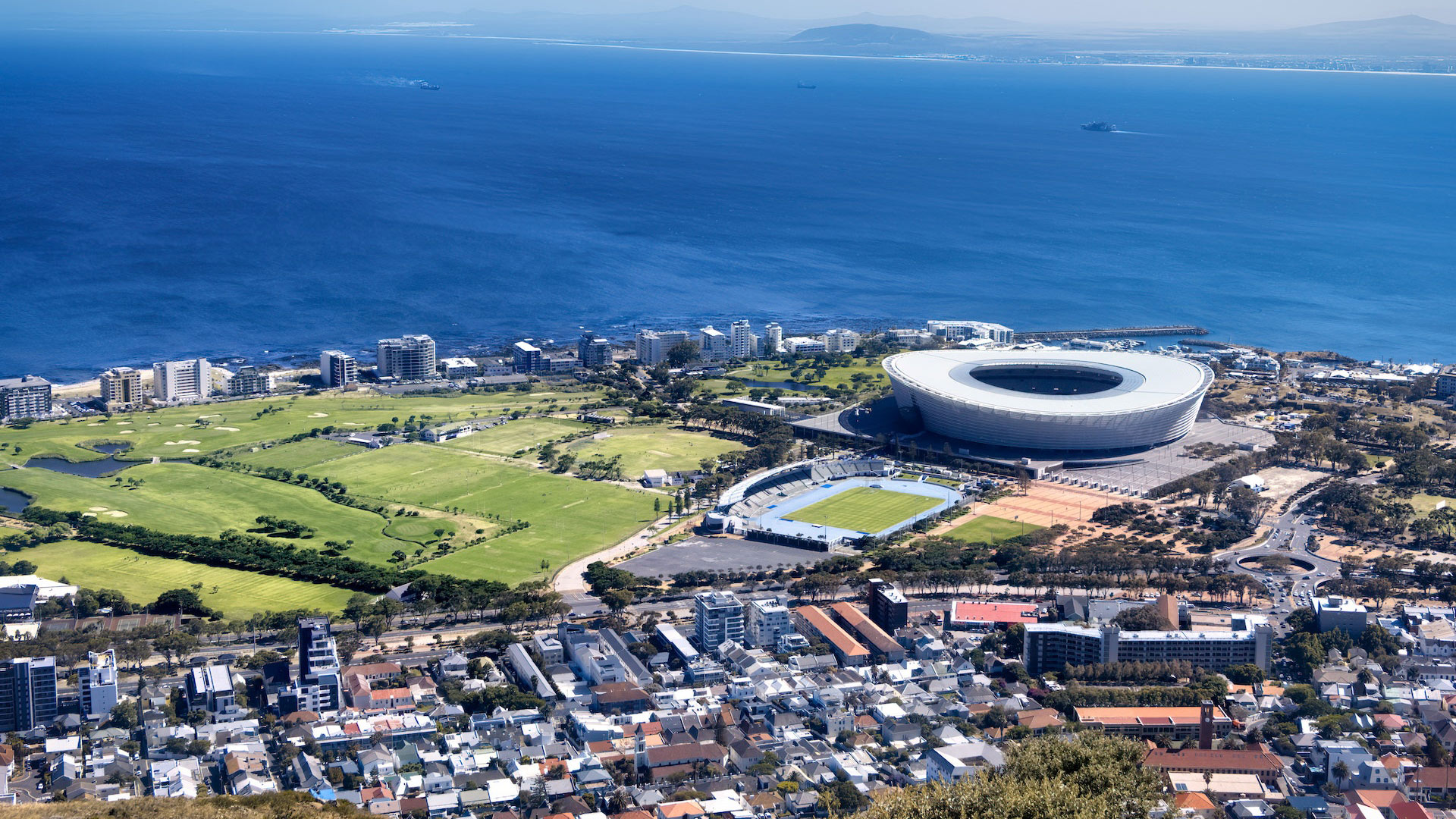
The Cape’s advanced infrastructure improves the region’s overall competitiveness when it comes to doing business which is why the number of company’s choosing the province as its base continues to rise year-on-year.

Easy Access

Cape Town International Airport is just 20 minutes from Cape Town’s CBD, and once in the city, getting around is easy and convenient by using the MyCiTi bus service, taxi’s e-hailing services or rail network.
Culturally Diverse

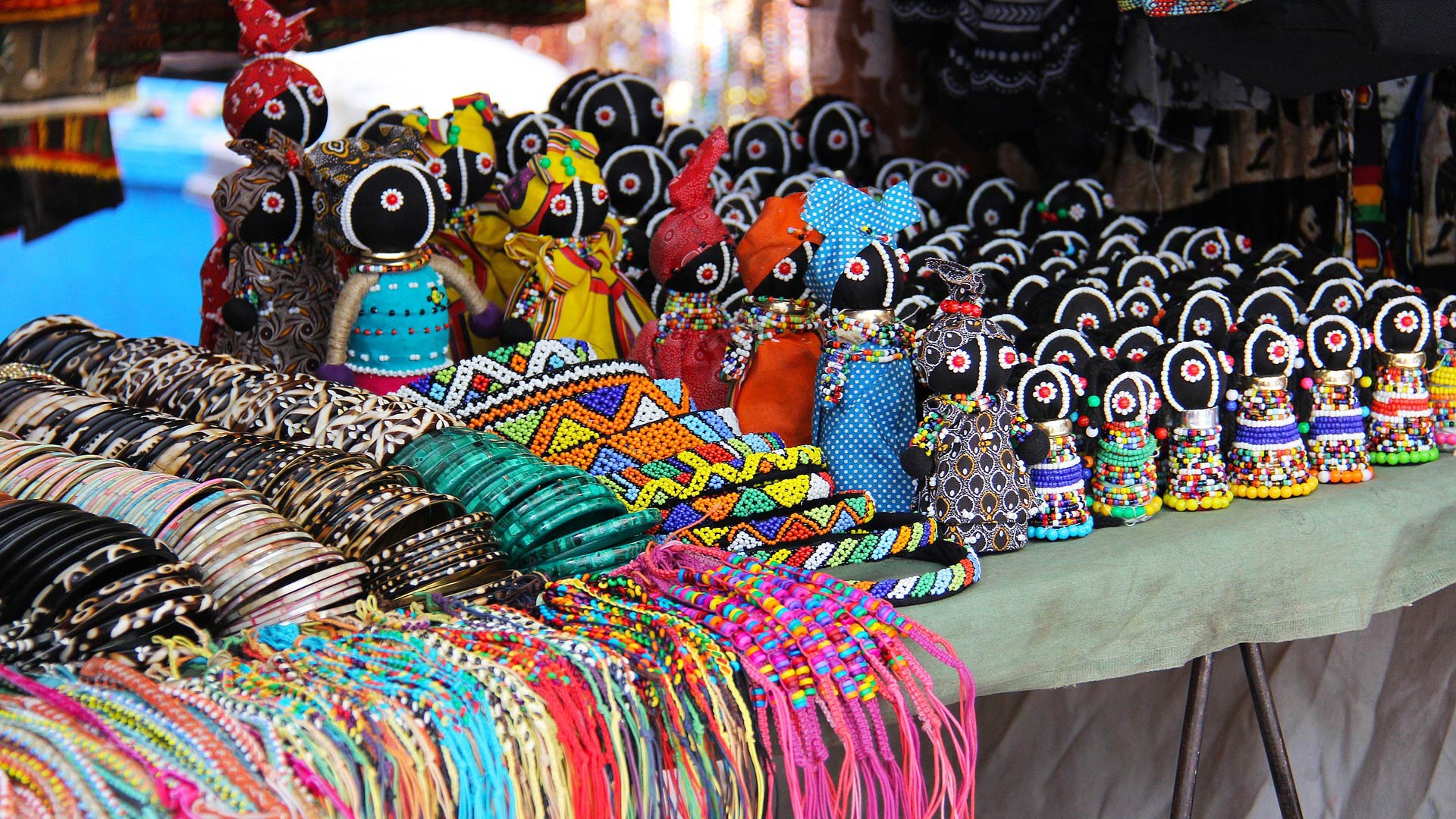
Cape Town is a unique and socially diverse city. Its inhabitants have come from all four corners of the globe to make the city their home resulting in a creative, culinary, and cultural melting pot that enriches South Africa’s heritage and history.
Global Appeal

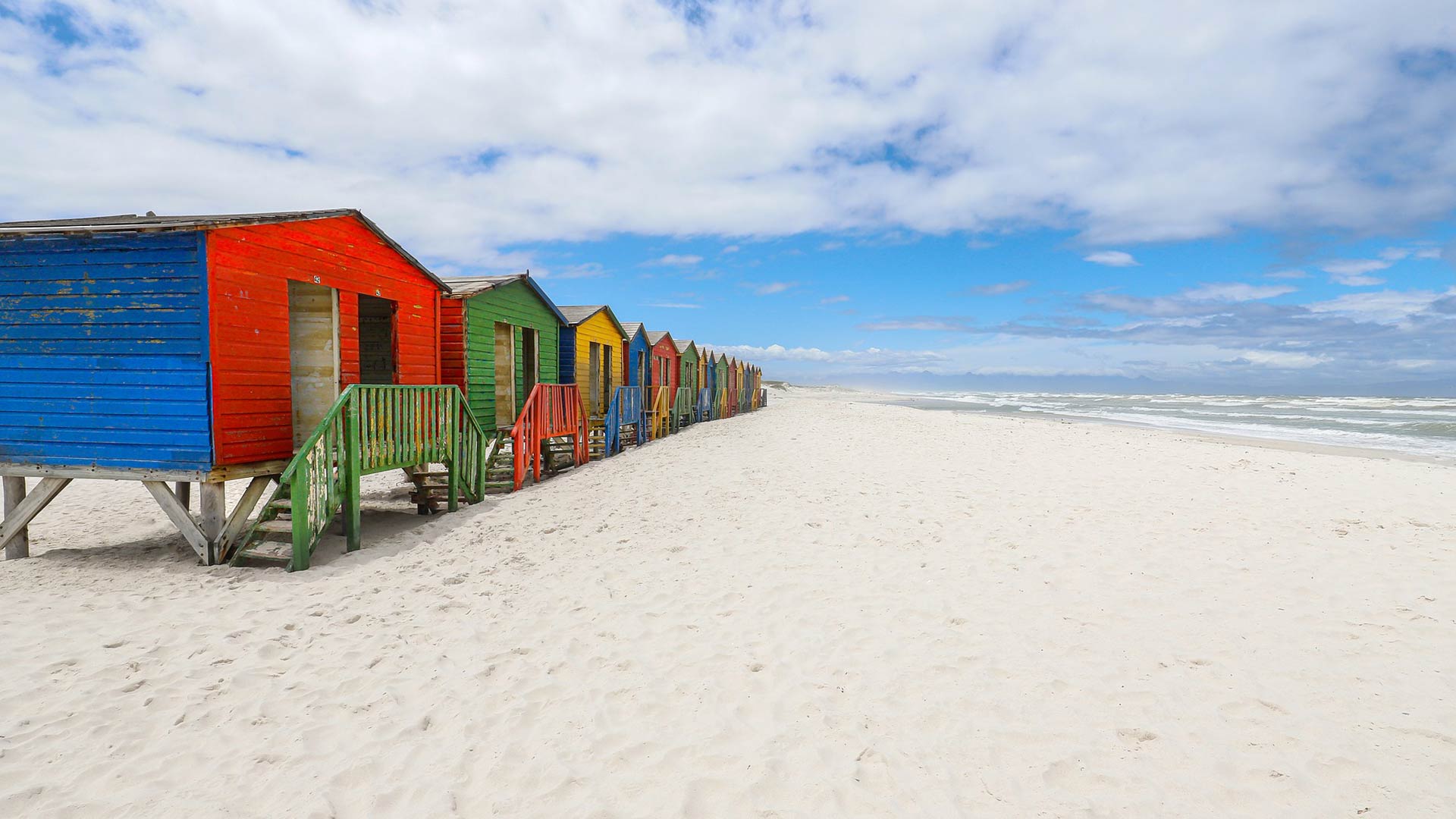
Cape Town has consistently been voted as one of the world’s favourite tourist destinations and the city’s global profile as a modern and convenient city secures high delegate Interest
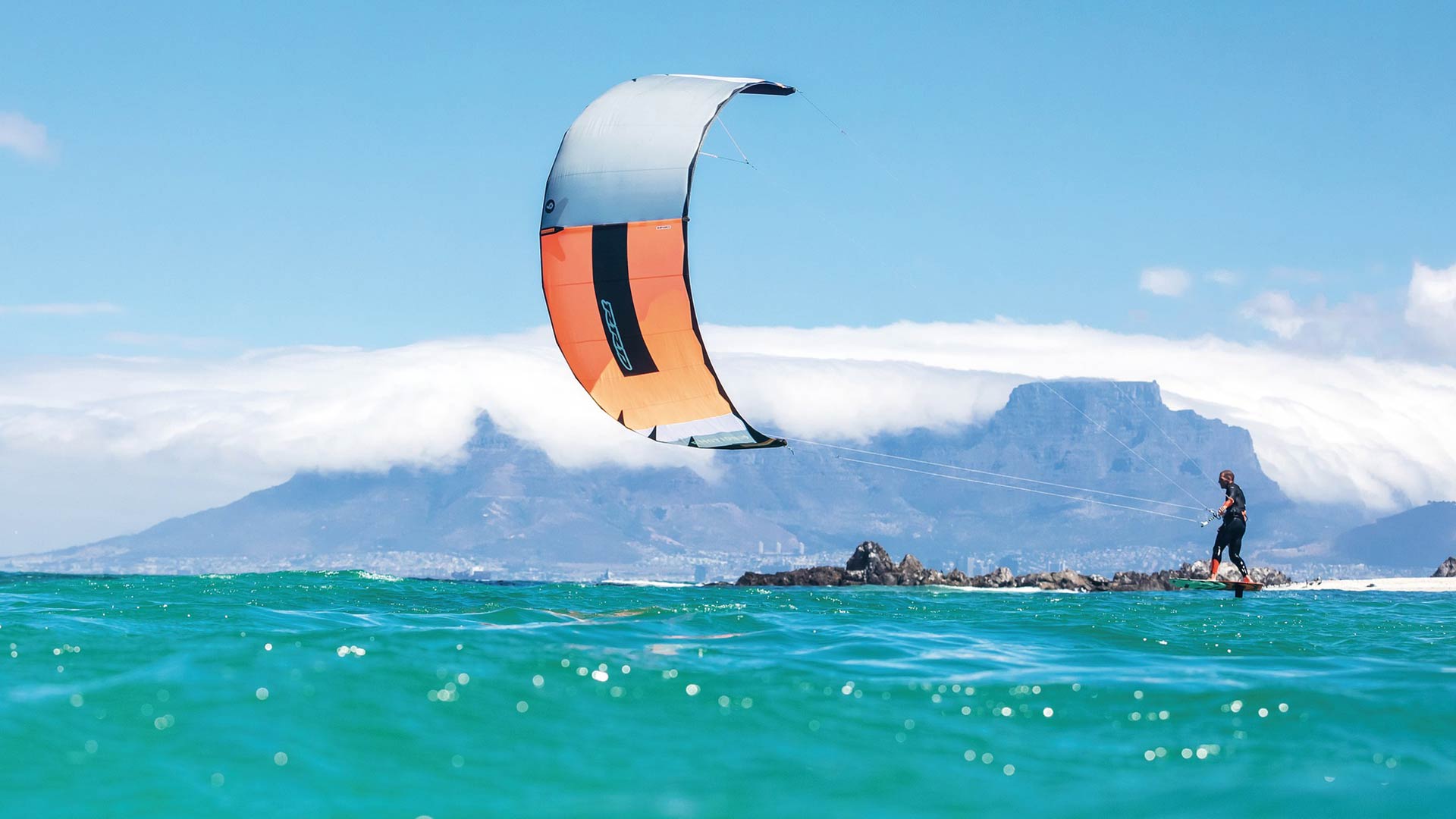
Natural Beauty and Climate

Cape Town enjoys a warm and moderate Mediterranean climate that sees visitors and locals alike flock to its sandy white beaches and hike beautiful mountains like Table Mountain. The region is also the proud custodian of two World Heritage Sites at Robben Island and the Cape Floral Region.
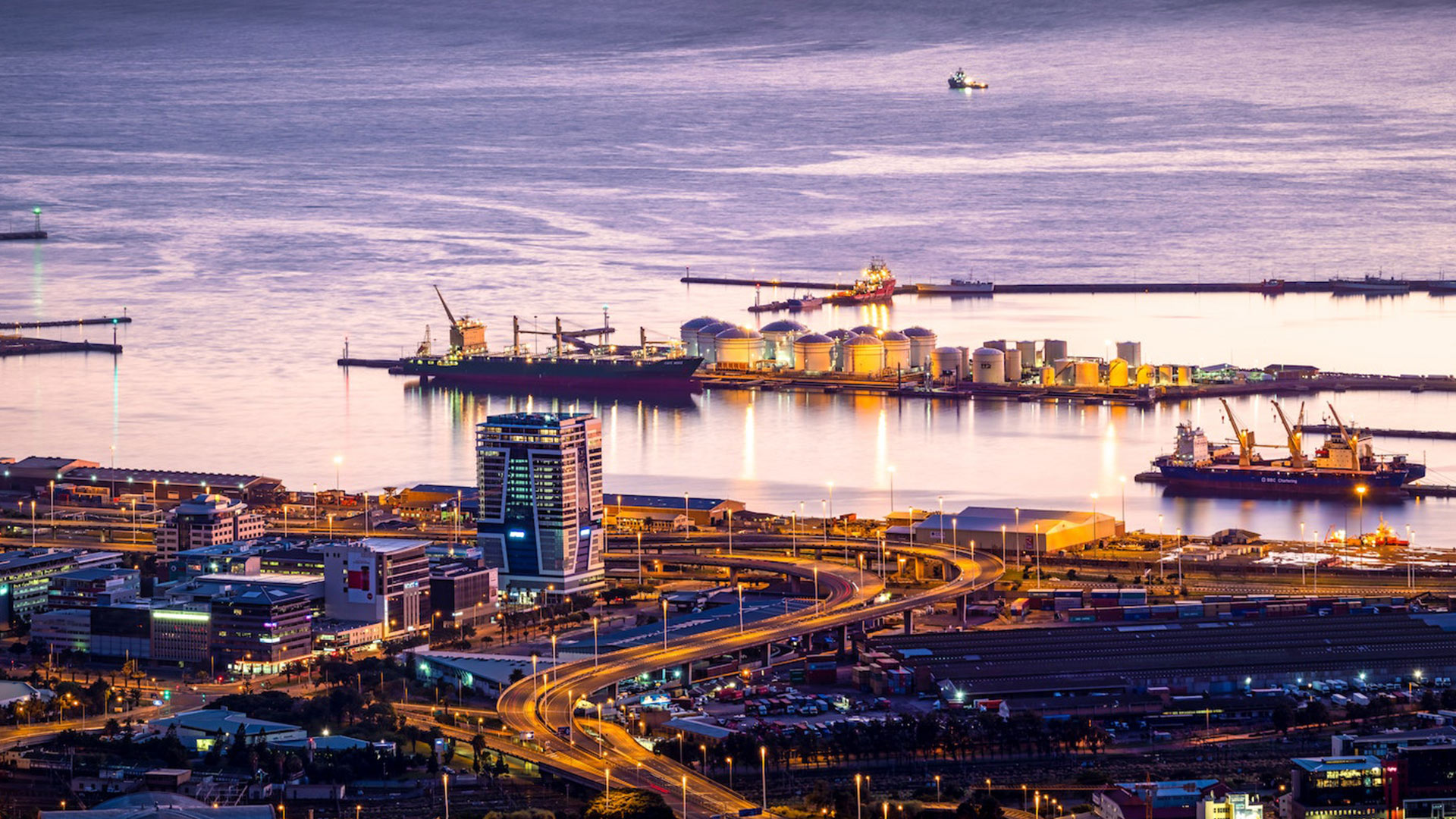
Centre of Business

As one of the continent’s leading business hubs, the province understands that economic growth is at the heart of development success. Government and the private sector collaborate on several programmes to create an enabling environment for investment.

Safe and Secure

Cape Town is a popular global tourism destination that takes the security of our visitors very seriously. The destination works closely together with all partners, to manage to the best of our ability the safety of all our visitors.
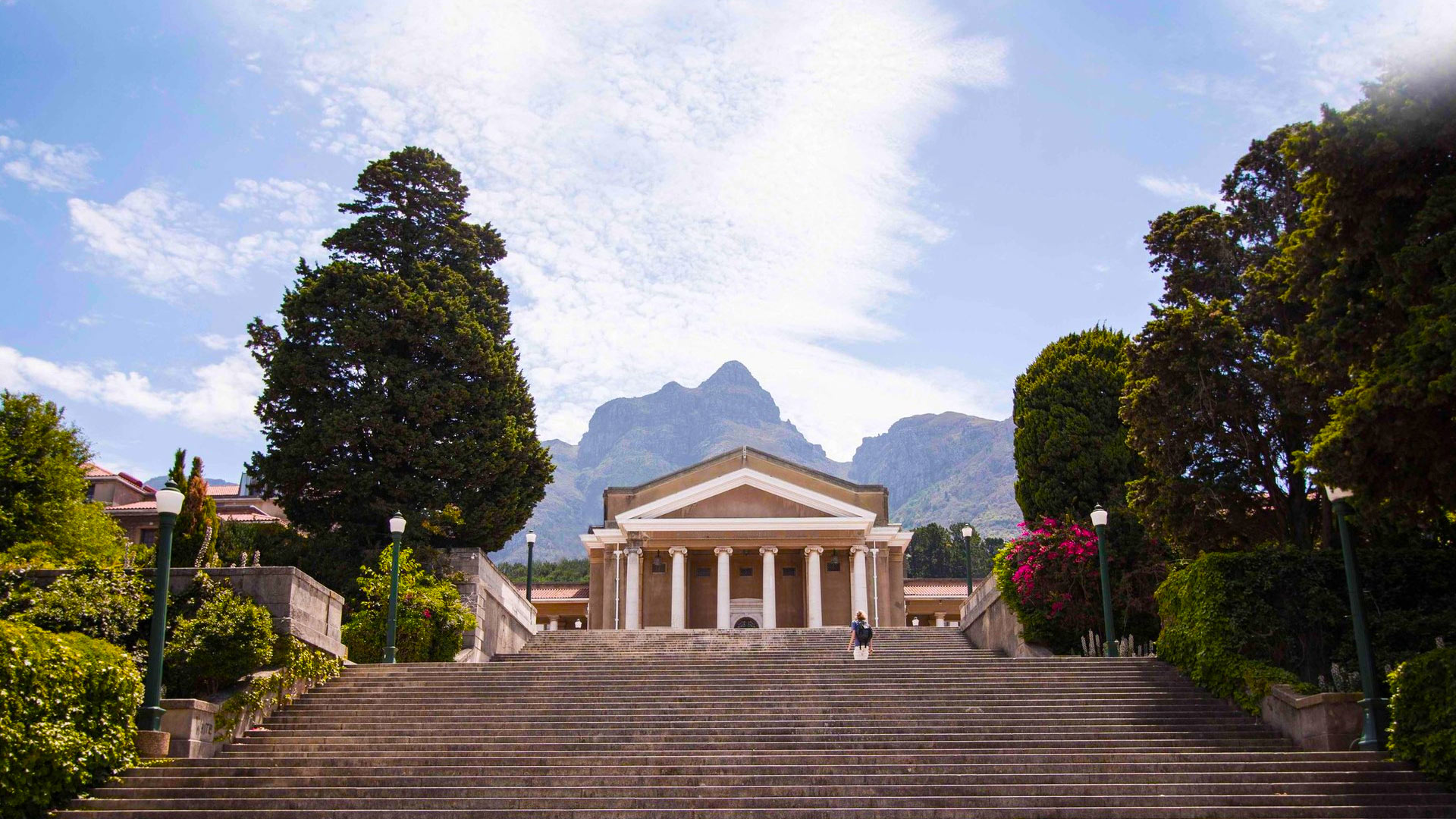
Knowledge and Innovation Hub

Four leading universities and several world-class research institutions in fields as diverse as science, technology, medicine, and social politics makes for fertile ground for intellectual dialogue and the exchange of ideas. The region prioritizes the development of our knowledge and innovation economies, underscoring the role the destination plays in uplifting the continent.
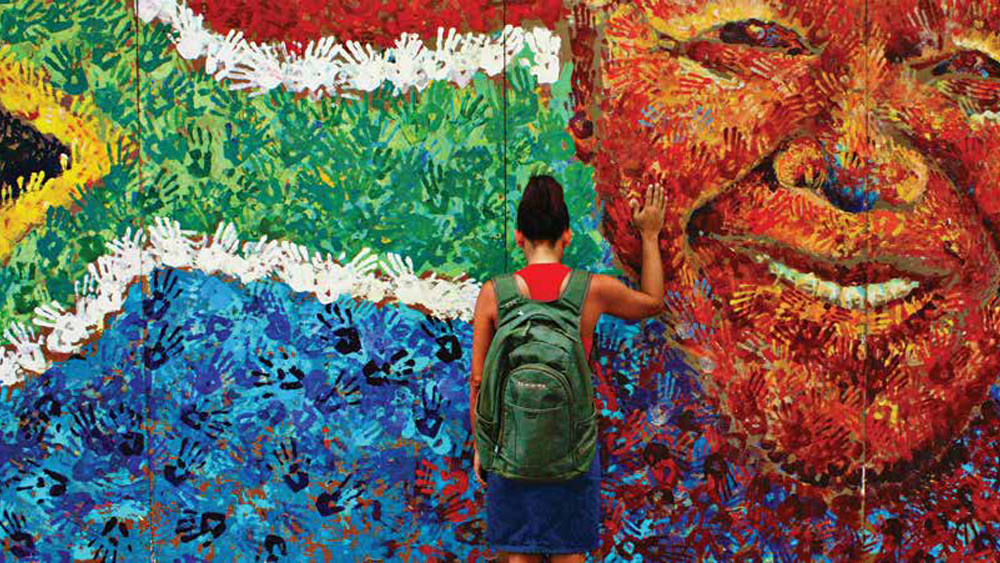
Culture and People

Centuries of trade and immigration have created a population ith genetic and linguistic links to different parts of Europe, southeast Asia, India and Africa. The diverse cultural backgrounds gives the province a cosmopolitan flavour with an interesting history dating back to the KhoiSan people – the first inhabitants of the country.

With its broad range of influences from numerous cultures – historical and contemporary – Cape Town has a dynamic rich artistic tapestry today.

Cape Town has a bustling art and music culture with worldclass galleries and exhibitions taking place all the time.

Talented painters, sculptors, photographers, and musicians are continuously experimenting and offering new innovative work to which the hundreds of venues in and around Cape Town attest.
Food and Wine

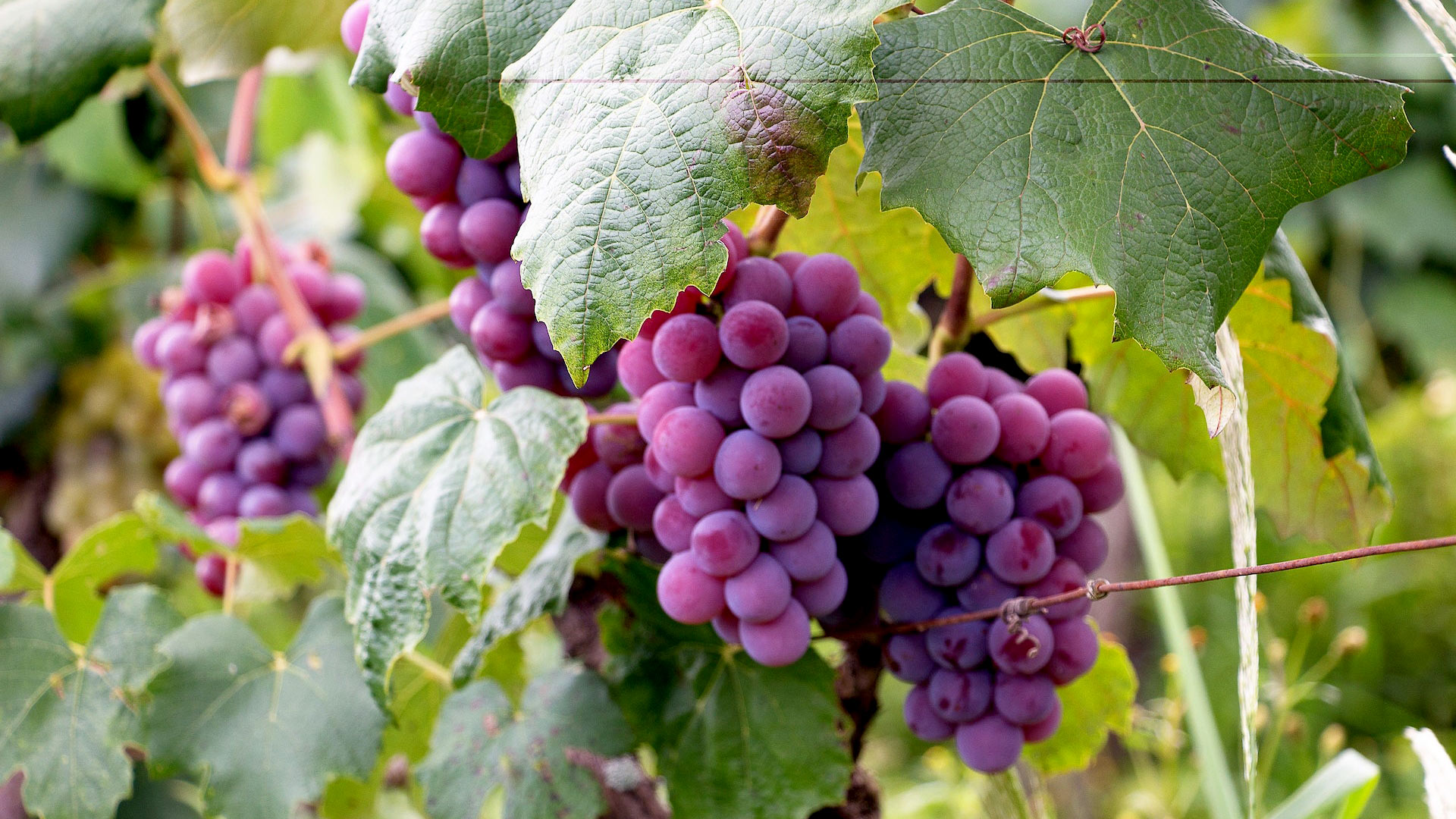
The essence of Western Cape food can be found in the complex, multi-cultural history of the province. A mixture of Asian, African and European food genres, every dish reflects waves of historical settlement and layers of culinary interaction. The Cape Winelands boasts some of the best award-winning wine farms in the world. Every year thousands of tourists from around the world flock to the amazing wine route situated in the Western Cape to indulge in the latest offerings in both food and drink.

Paul Kappo
Prof Abidemi Paul Kappo is a full Professor of Biochemistry and Group Leader of the Molecular Biophysics and Structural Biology Group at the University of Johannesburg, South Africa. He is a structural biologist with over 25 years of academic research experience. He obtained his PhD from the University of the Western Cape, Bellville, South Africa, by determining the structure of the RING finger domain of the splicing-associated protein, RBBP6, using heteronuclear NMR spectroscopy. His research focuses on applying structural biology and structural bioinformatics techniques to discover and design new/novel biopharmaceuticals against infectious diseases. Additionally, dissecting the nexus between schistosomiasis and other infectious diseases for biotherapeutics, as well as schistosomiasis and cancer for vaccinomics, using molecular biophysics techniques and biomathematics, has been at the forefront of his research lately. He is a rated researcher by the National Research Foundation (NRF) of South Africa, has published widely on infectious diseases, and has graduated several MSc and PhD students. His research has been primarily funded in the past generously by the South African Medical Research Council (SAMRC) and, lately, by the National Research Foundation of South Africa (NRF). Prof Kappo is highly skilled in scientific organization and advocacy, having served as the President of the South African Society of Biochemistry and Molecular Biology (SASBMB) for two terms (2018-2022) and is presently the Vice-President of the Federation of African Societies of Biochemistry and Molecular Biology (FASBMB) since 2022. He is a visiting scientist at the Department of Biochemistry, Lagos State University (LASU), and holds an adjunct Research Professorship with the Nigerian Institute of Medical Research (NIMR), Lagos, Nigeria.

Monique Williams
Designation: Senior lecturer
My research is focused on studying the physiology of mycobacteria, with a specific interest in biosynthetic pathways that are required by the bacteria during infection. Pathways of interest include molydopterin co-factor biosynthesis, ergothioneine biosynthesis and iron-sulphur cluster biogenesis.

Karl Storbeck
Karl Storbeck (PhD) is an Associate Professor at the Department of Biochemistry, Stellenbosch University and a Visiting Senior Research Fellow at the MRC Laboratory of Medical Sciences, UK. He obtained his PhD in Biochemistry (SU) in 2008 and was appointed to Faculty in 2012. His research is focused on investigating the biosynthesis and metabolism of steroid hormones with a particular focus of understanding the role of 11-oxygenated androgens in health and disease.

Theresa Coetzer
Professor Theresa Coetzer (University of KwaZulu-Natal) received her PhD in Biochemistry from the former University of Natal, Pietermaritzburg, South Africa. She was a J William Fulbright Fellow at the Scripps Research Institute, La Jolla, CA, USA in 1995 and is a former President of the South African Society of Biochemistry and Molecular Biology (SASBMB). Her research focusses on proteolytic enzymes as diagnostic and drug targets in African parasitic diseases: mainly animal and human trypanosomiasis (nagana and sleeping sickness) and also trichinellosis and theileriosis. Her research expertise encompasses protein/protease isolation and characterisation, and immunochemical techniques, including chicken egg yolk antibody (IgY) production against peptide epitopes and proteins.

Addmore Shonhai
Addmore Shonhai is Professor of Biochemistry based at the University of Venda in South Africa. His research involves understanding the role of heat shock proteins in the development infectious agents. Another area of interest involves using heat shock proteins as biotechnological tools to enhance recombinant protein production in E. coli. He is a current council member of the South African Society of Biochemistry & Molecular Biology (SASBMB). He is a recipient of a prestigious Georg Foster Fellowship, awarded to him by the Alexander von Humboldt Foundation of Germany. He is life-time member of the Cell Stress International Society.

Francois van der Westhuizen
Francois started his academic career in 1993 as junior lecturer and is currently Professor of Biochemistry and the Deputy Dean (Research and Innovation) at the Faculty of Natural and Agricultural Sciences at the North-West University (NWU). His teaching expertise has been enzymology, molecular biology and bioenergetics. After receiving his PhD in 1998, his research focus narrowed to mitochondrial disease. Since 2002 he helped establish the Mitochondria Research Group at the NWU, which focusses on mitochondrial- and other neuromuscular diseases in SA, as well as research on bioenergetics and mtDNA and their role in health and disease.

Jo-Anne de la Mare
Prof Jo-Anne de la Mare is a Senior Lecturer and Head of the Department of Biochemistry, Microbiology and Bioinformatics at Rhodes University and President of the South African Society of Biochemistry and Molecular Biology. As the Principal Investigator of the Female Cancers Research at Rhodes University (FemCR2U) group, her research focuses on preclinical drug discovery for female cancers including triple negative breast cancer (TNBC) and cervical cancer. In addition, the development of drug resistance models for triple negative breast cancer and cervical cancer cell lines from South African women is geared towards developing more relevant disease models for the African context.

Ed Sturrock
Ed Sturrock is a full professor in the Department of Integrative Biomedical Sciences and a founding member of the Institute of Infectious Diseases and Molecular Medicine (IDM) at the University of Cape Town. He received his PhD in 1994 and went on to do a postdoctoral fellowship at Harvard Medical School where he started his research on angiotensin-converting enzyme. In 2003 he was awarded a Wellcome Trust International Senior Research Fellowship. He is a Fellow of the Royal Society of South Africa and the University of Cape Town, a member of the Academy of Science of South Africa, has a National Research Foundation A2 rating, and is a recipient of the South African Society for Biochemistry and Molecular Biology Gold Award. He has published over 130 papers in peer-reviewed international journals and five granted patents.

Loading...